
Building a physiotherapy practice in Dubai beyond the clinic
Independent practice, home visits, getting found.
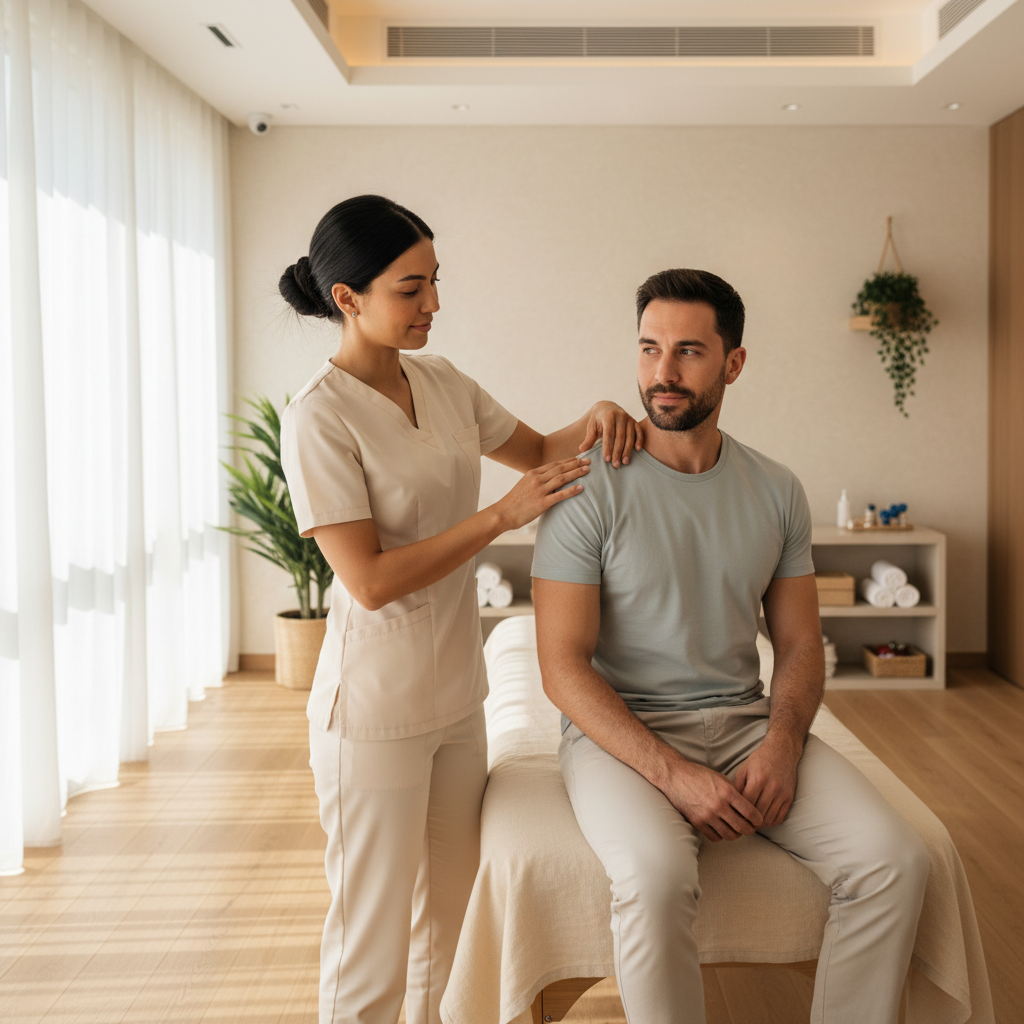
The physiotherapists doing well in Dubai in 2026 aren't sitting around waiting for referrals to land in their inbox. They've built something layered: clinic hours, a home visit roster, a name people actually search for. If you're weighing up physiotherapy jobs Dubai employers are posting against striking out on your own, here's the truth nobody puts in the job ad: the best careers here don't pick one lane. They build both.
This isn't an argument for ditching employment and diving into freelance chaos. It's about understanding how this market actually works, who gets found, and why a physio in Al Barsha with a booked-out home visit calendar might be earning more respect, and more consistent work, than someone chained to a single clinic desk five days a week.
Why "employed" and "independent" aren't opposites anymore
Dubai's healthcare regulators, chiefly the DHA, have made it fairly straightforward for licensed physiotherapists to work across settings, as long as the paperwork and facility licensing check out. Plenty of practitioners hold a clinic role for stability and NOC flexibility, then quietly build a home visit client base on the side.
Home visit physiotherapy means treatment delivered at the patient's home rather than in a clinic. Common for post-surgical rehab, elderly mobility work, or clients who can't face Sheikh Zayed Road traffic twice a week. Demand has grown steadily among Dubai's older expat population and busy executives in Emirates Hills and Jumeirah Golf Estates who'll happily pay for convenience.
The clinics that last, and the physios whose reputations outlive any single job title, tend to treat these two income streams as partners, not rivals.
The mechanics of going independent in Dubai
Before a home visit sole practice can happen, three things need sorting: DHA licensing under the right facility category, professional indemnity insurance, and a legal structure for invoicing. Freelance permits exist, but most physios work through a facility license or a partner clinic arrangement rather than a standalone freelance visa, since home healthcare sits in its own regulatory category.
One physio we spoke to, working out of a small studio in Al Quoz, called her first year of independent practice "mostly admin, dressed up as clinical work." Fair. The clinical skill is the easy part. The business scaffolding takes far longer than anyone expects.
The clinical skill gets you hired once. The business scaffolding is what gets you hired again, and again, without anyone chasing you.
Getting found: the bit nobody teaches in physio school
Here's the uncomfortable truth. A brilliant physiotherapist with no visibility strategy loses out to an average one who shows up when someone in Mirdif types "physiotherapist near me for back pain." Being findable isn't vanity. It's the difference between a full diary and an empty one.
Getting found in Dubai's physio market means stacking a few channels at once, not betting the house on one:
- Google Business Profile — essential for home visit searches; skip it and you're invisible to anyone typing "home physiotherapy Dubai" at 11pm
- Clinic partnerships — steady referral flow, but you're splitting revenue and building someone else's brand instead of yours
- Insurance panel listings — slow to set up, but patients on Daman or Neuron search these lists directly when picking a provider
- Word of mouth in residential communities — strongest in villa communities like Arabian Ranches, where neighbours talk, though it takes months to build momentum
- Job platforms and staffing sites — good for locum shifts that fill a quiet week without tying you down
None of these alone builds a sustainable practice. Stacked together over twelve to eighteen months, they compound into something that starts to feel stable. Physios researching how pricing works across Dubai's wellness sector will spot the same pattern in physiotherapy fees: being upfront about cost builds trust faster than any discount ever will.
Clinic job or independent practice: what actually suits you
Neither path wins outright. It comes down to your career stage, your tolerance for admin, and, honestly, how much you enjoy driving across Dubai between appointments.
- Clinic employment gives you steady patient flow and zero marketing headache, but it caps your earnings and hands you someone else's schedule.
- Independent home visit work pays better per session and gives you full control, but the first year's income is lumpy, and cancellations sting harder with no admin team backing you up.
- A hybrid model, part-time clinic plus a growing home visit list, spreads the risk but demands proper time management and a diary system that won't collapse the moment things get busy.
Physios who've just landed in the UAE, or who've moved straight from a physiotherapy jobs Dubai listing into their first local role, are usually better off starting in a clinic. It builds the DHA-compliant clinical hours, local reputation, and referral network that independent work leans on later. Skip straight to solo practice without that foundation and you're setting yourself up for slow months and frustrated clients.
What the next few years look like
Dubai's physiotherapy market has moved past the point where a decent CV gets you noticed on its own. Clinics are pickier about who they hire, patients are sharper about comparing providers, and insurance panels are tightening credentialing. Good news if you take reputation seriously. Harder going if you're coasting on qualifications alone.
The physios building genuinely resilient practices here, inside a clinic structure or largely on their own, share a few habits. They document outcomes properly. They reply to enquiries within hours, not days. And they treat a home visit in a Jumeirah Village Circle flat with the same rigour as a session in a flagship Downtown clinic.
Some are also building parallel income through corporate wellness contracts, an area that overlaps closely with what personal trainers are seeing in Dubai's corporate wellness boom, particularly among finance and tech firms in DIFC keen to offer on-site physio clinics for staff.
Whichever route you choose, the practices worth building in this city rarely happen inside four walls alone. They happen in the gaps between them, in a diary that mixes clinic hours, home visits, and the quiet, unglamorous work of making sure people can actually find you when they need you.
A physiotherapist in Dubai? Get found by the clients who need you.
JFit connects you with people across Dubai looking for physiotherapy, and handles booking and payments.
See how it works